


Fanfare-orkest-De
Christelijke Muziekvereniging Hattem
olv Erik Kluin op 5-4-2024 in De Marke in Hattem:
AUDIO-Klik
hier/Click here
_________________________________________________________________________
ERA NOVA
(Triomfmars / Triumphal March)
Opus 201
(2024)
For Symphonic Band or Fanfare orchestra
8-9 min. /
1e (2e?) divisie/division
Audio: Provisorische klavierversie / Played on piano:
Voor de bladmuziek / for the sheet music:
https://www.sonolize.com/nl/muziek/1921/era-nova-heroic-march-wind-orch-1
(fanfare)
of:
https://www.sonolize.com/nl/muziek/1920/era-nova-heroic-march-wind-orch
(harmonie)
__________________________________________________
ERA NOVA - OPUS 201 – 2024
Era Nova is
een heroïsche triomfmars, in een filmmuziekstijl zou ik zo zeggen, zowel
uitvoerbaar door Fanfare- als harmonie-orkest.
Het is eventueel geschikt als heroïsch openingsnummer op een concert, of
wellicht als uitsmijter aan het eind van een concert.
Ik heb het geprobeerd zo te componeren dat de trompetten niet al te overbelast worden, zoals in een aantal andere heroïsche werken van mijn hand wel eens het geval kan zijn.
Era Nova is a heroic triumphal march, in a film music style, I would say, performance is possible by both fanfare orchestra and symphonic band.
It could possibly be suitable as a heroic opening number at a concert, or perhaps as a finale at the end of a concert.
I have
tried to compose it in such a way that the trumpets are not overloaded, as can
be the case in a number of other heroic works that I composed.
Tijdsduur:
Er zijn 2 versies, het alternatieve slot duurt bijna een minuut korter.
Volgens mijn berekening duurt het werk ca 464 oftewel ca 510 seconden, oftewel: bijna 8 of 8,5 minuten.
Dus laten we zeggen: 8 a 9 minuten
Length of time:
There are 2 versions, the alternative ending lasts almost a minute shorter.
According to my calculations the work takes about 464 or about 510 seconds, or almost 8 or 8.5 minutes.
So let's say: 8 to 9 minutes
Moeilijkheidsgraad:
1e divisie (superieur) (2e divisie? / ere-afdeling?)
Difficulty:
1st
division (superior) (2nd division? / honorary division?)
Korte toelichting
De aanleiding voor het componeren van Era Nova vergt nogal een wat langere uitleg en wordt verderop uitgebreid beschreven. Hier zal ik volstaan met enige aanduidingen.
Era Nova
betekent nieuw tijdperk. Het nieuwe jaar van 2024 viel samen met het bereiken
van opus 200, zodat met opus 201 een derde honderdtal opusnummers begon.
Bovendien had de componist de hoop en de verwachting dat na de vele duistere
jaren die in 2020 begonnen met de noodlottige corona-terreur, er nu door het
bereiken van het zonnevlekken-maximum en andere astrologische invloeden een
nieuw, ander, en misschien beter tijdperk aan zou breken waarbij de machten van
het licht over de machten van de duisternis zouden zegevieren. De componist
hoopt op een nieuw en zonniger tijdperk, een ‘era nova’....
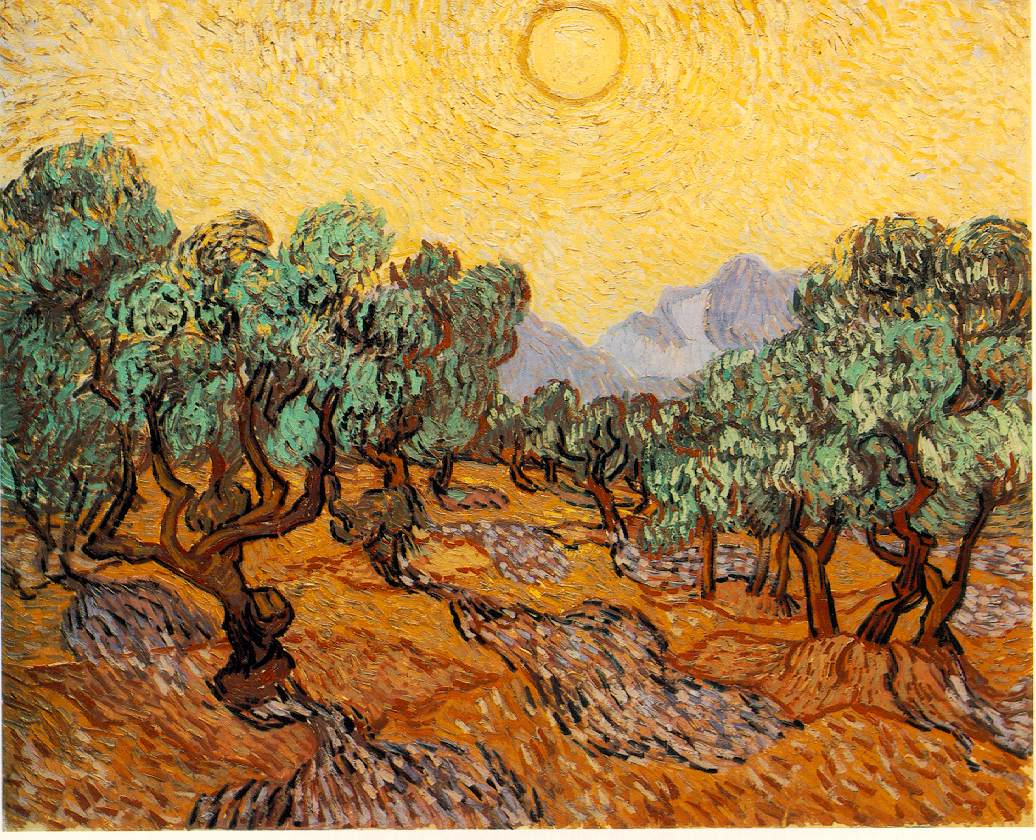
Short explanations
The reason for composing Era Nova requires a somewhat longer explanation and is described in detail later. Here some indications.
Era
Nova means new era. The new year of 2024 coincided with the completion of opus
200, so that a third of a hundred opus numbers began with opus 201. Moreover,
the composer had the hope and expectation that after the many dark years that
started in 2020 with the fateful corona terror, a new, different and perhaps
better era will now arrive due to the reaching of the sunspot maximum and other
astrological influences. So there is the hope that the powers of light will
triumph over the powers of darkness. The composer hopes for a new era, an 'era
nova',
Inhoudelijk
muzikale toelichting
Het
werk begint, zoals het Es dur betaamt, vanuit de stilte, vanuit een lang
liggende donkere Es-Bes-klank, waarna zich vanaf maat 3 een plechtig koraal
ontvouwt, als langzame inleiding tot de overwinningsmuziek.
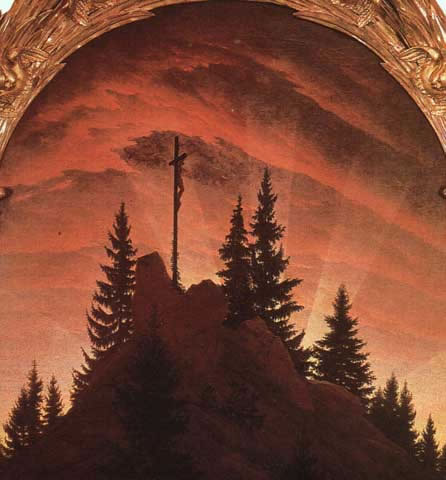

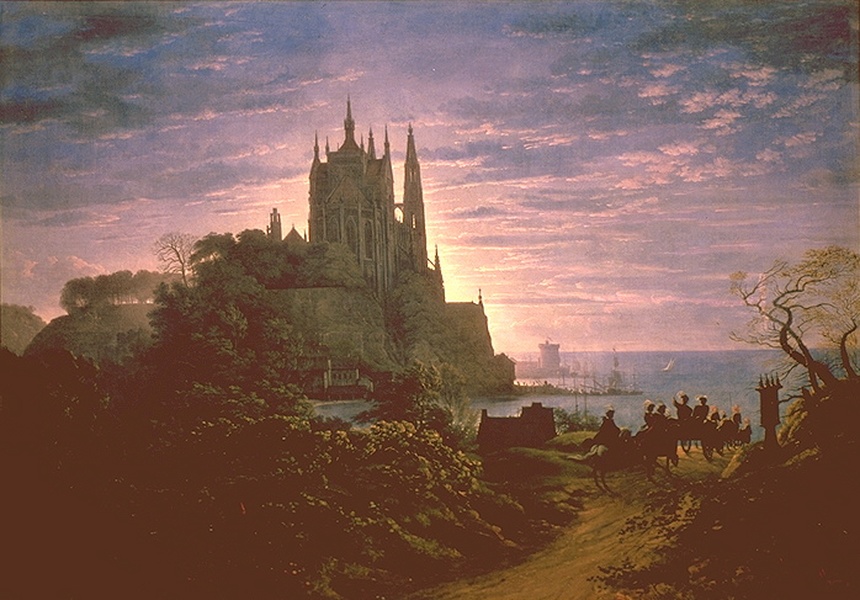
Op maat 24 begint dan de overwinningsmars, met de introductie van het overwinningsthema in Es groot, met de hoorns en de trompetten als ingehouden spannend crescendo en diminuendo.
Op
maat 33 moduleert de muziek naar C groot, de toonsoort van Ram-Mars, die de
lente en de paastijd uitdrukt, en de God Mars…
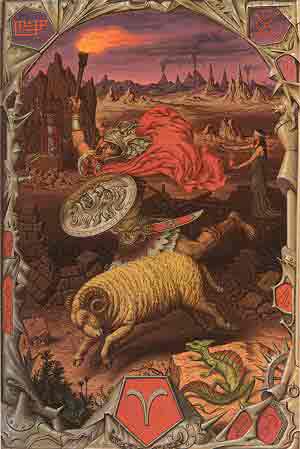
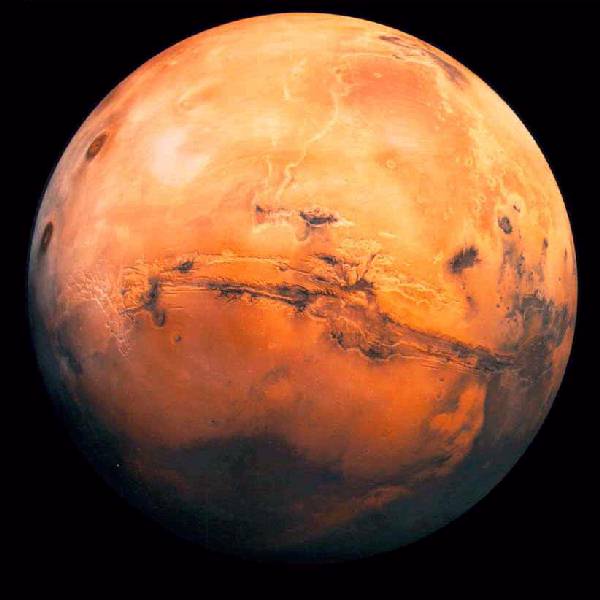

Daar begint het thema dan met de trombones en via de hoorns en de trompetten
gaat het dan naar het FF en naar de dominant [G] voor C, waarna op maat 41 nu
echt in het tutti de overwinningsmars kan losbarsten.
Op maat 49 komt dan een ander thema, zeg maar een 2e thema, of een variant van het overwinningsthema waarbij de melodie in de bas-instrumenten ligt, zodat deze ook even iets interessants kunnen spelen ter afwisseling, het is een modulerend gedeelte.
Dan keert het heroïsche trompettenthema terug, wat op maat 60 uitmondt in een A groot akkoord, de dominant voor D groot.
Een evenzeer heroïsche toonsoort, en ook nog licht stralend en zonnig van karakter. (denk aan het slot van de 9e Beethoven!)
Vanaf maat 61 begint dus een overwinningsmars in D groot.
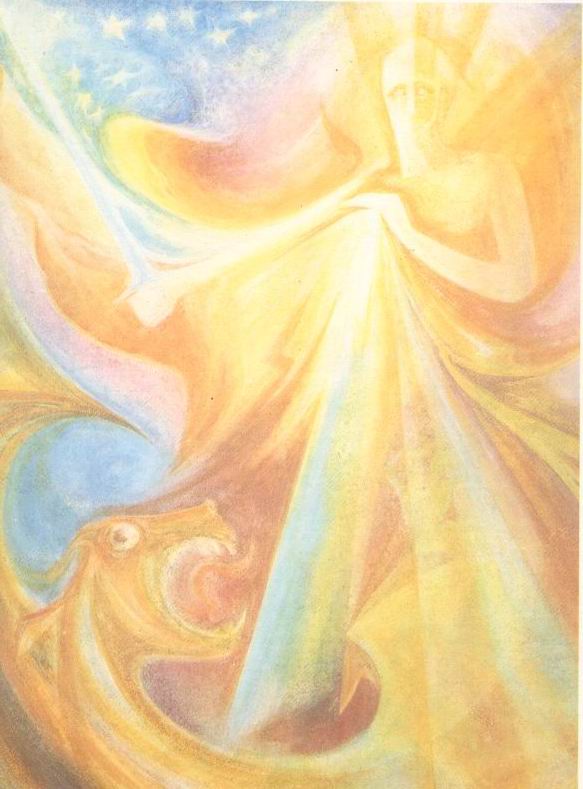
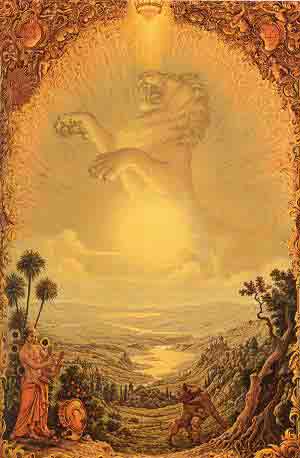
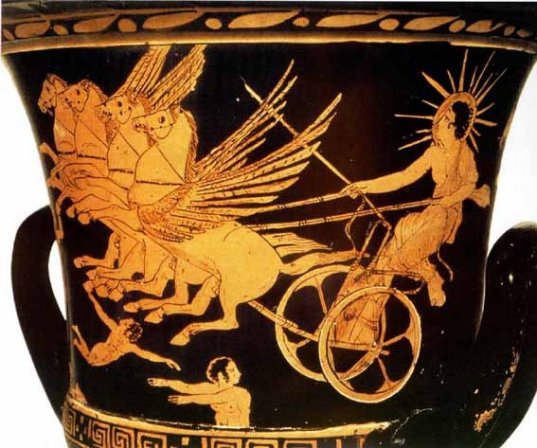
Op maat 74
verschijnt weer het modulerende bassenmotief wat in maat 79 even naar Bes groot
moduleert met het overwinningsthema in de trompetten.
Nu wisselen het bas thema en het trompetten thema elkaar een tijdje af maar op
maat 86 begint weer het overwinningsthema in C groot. Eerst een tijd in de
hoorns en trombones, waarbij ook weer nieuw thema-materiaal ontstaat, en op maat
99 barst het FFF uit in het tutti in de trompetten.
Op 102
wordt dit weer even gevolgd door het modulerende bassenthema, en dat mondt uit
in een geweldige FFF climax vanaf maat 104 met de stampende C in de bassen, op
maat 108 vanuit die marciale C een barbaars klinkende passage met meedogenloze
parallelle kwinten, wat naar een grote climax voert op maat 116, wat dan naar
een anticlimax / ineenstorting voert op maat 120.
Op
maat 123 begint nu een heel ander gedeelte, een soort intermezzo van snelle 16e
noten zodat de zachte en soepele – niet heroïsche - instrumenten de kans krijgen
hun kunnen te laten horen / zien, de bugels / klarinetten, saxofoons, de
tenortuba’s, etc.


Dit voert naar een climax op maat 132, die weer naar een anti-climax voert in 136, uitmondend in het Bes groot akkoord, de dominant van Es groot, zodat nu de ultieme reprise van het overwinningsthema in haar bedoelde Es groot Steenbok-Era-Nova-hoofd-toonsoort terecht komt zodat nu een langdurige overwinnings-mars in Es groot kan volgen.


Wat zoals in het begin weer als crescendo vanuit het pp begint en naar het ff van het Bes groot akkoord van maat 143 voert als dominant van Es groot, zodat op maat 145 eindelijk de ultieme overwinningsmars in Es groot kan klinken, eerst in de hoorns, en pas in maat 155 in zijn volle glorie in de trompetten, wat geruime tijd voortduurt en mogelijk naar haar slotapotheose zou kunnen voeren, in het alternatieve slot, voor de orkesten voor wie mogelijk het echte slot te zwaar, of te lang zou kunnen zijn.
Dat alternatief zou dan in maat 171 zijn slot kunnen vinden.
Voor de
orkesten die het nog wat langer kunnen volhouden volgt op maat 166 weer een
modulerend bassen gedeelte wat op maat 172 weer in Es groot terecht komt en naar
een crescendo voert op een Bes-akoord, met veel plechtig geklingel en
klokgelui….

Op
maat 177 volgt er dan een terugblik op het koraalthema waar het werk op maat 3
mee begon,
maar nu natuurlijk in apotheotische vorm, met veel groots en plechtig
religieus klokgelui erbij
dat op maat 182 naar haar FFF apotheose voert…

Waarna op
183 wederom de triomfmars losbarst wat naar de ultieme slotapotheose voert in
maat 190.

============================================================================
Explanation of the musical content
The
work begins, as befits the E-flat major tone scale, from silence, from a long,
dark E-flat-B-flat sound, after which a solemn chorale unfolds from bar 3, as a
slow introduction to the victory music.
The victory march then begins at bar 24, with the introduction of the victory theme in E flat major, with the horns and trumpets as a subdued, exciting crescendo and diminuendo.
At bar 33 the music modulates to C major, the key of Aries-Mars, which expresses spring and Easter, and the God Mars…
There the theme starts with the trombones and via the horns and trumpets it then goes to the FF and to the dominant [G] for C, after which at bar 41 the victory march can really break out in the tutti.
At bar 49 comes another theme, a sort of 2nd theme, or a variant of the victory theme in which the melody lies in the bass instruments, so that they can also play something interesting for variety, it is a modulating part.
Then the heroic trumpet theme returns, culminating in an A major chord at bar 60, the dominant for D major.
D major is an equally heroic key, and also slightly radiant and sunny in character. (think of the end of Beethoven's 9th!)
From bar 61 a victory march in D major begins.
At bar 74 the modulating bass motif appears again, which briefly modulates to B flat major in bar 79 with the victory theme in the trumpets.
Now the bass theme and the trumpet theme alternate for a while, but at bar 86 the victory theme in C major starts again. First for a while in the horns and trombones, which also creates new theme material, and at bar 99 the FFF breaks out into the tutti in the trumpets.
At bar 102 this is briefly followed by the modulating bass theme, and that culminates in a great FFF climax from bar 104 with the pounding C in the bass, at bar 108 from that marcial C a barbaric sounding passage with ruthless parallel fifths, which is awful, a big climax at bar 116, which then leads to an anticlimax/collapse at bar 120.
At measure 123 a completely different part now begins, a kind of intermezzo of fast 16th notes so that the soft and flexible - not heroic - instruments get the chance to show their skills, the flugelhorns / clarinets, saxophones, the tenor tubas, etc.
This leads to a climax at bar 132, which in turn leads to an anti-climax at 136, culminating in the B flat major chord, the dominant of E flat major, so that now the ultimate reprise of the victory theme in its intended E flat major Capricorn Era- Nova major key ends up so that a lengthy victory march in E flat major can now follow.
Which, as in the beginning, starts again as a crescendo from the pp and leads to the ff of the B flat major chord of bar 143 as dominant of E flat major, so that at bar 145 the ultimate victory march in E flat major can finally be heard, first in the horns, and in bar 155 in its full glory in the trumpets, which continues for quite some time and could possibly lead to its final apotheosis, in the alternative ending, for the orchestras for whom the real ending might be too heavy or too long.
That alternative could then find its conclusion in bar 171.
For the
orchestras that can hold on a little longer, a modulating bass section follows
at bar 166, which ends up in E flat major again at bar 172 and leads to a
crescendo on a B flat chord, with lots of solemn tinkling and bells...
At bar
177 there follows a look back at the chorale theme with which the work
began at bar 3,
but now of course in apotheotic form, with many grand and solemn
religious chimes that lead to its FFF apotheosis at bar 182...
After
which the triumphal march starts again at 183, leading to the ultimate final
apotheosis in bar 190.

==============================================================================
======================================================
Filosofische en esoterische achtergronden
en gedachten:
====================================================
Philosophical and esoteric backgrounds and thoughts:
====================================================
Toelichtingen - ontstaansgeschiedenis
In 2020 veranderde de wereld plotseling in één groot concentratiekamp.
Wereldwijd
werden plotseling de meest absurde, onderdrukkende, onmenselijke en destructieve
maatregelen uitgevaardigd, waarbij ieder normaal menselijk gedrag opeens als
misdadig en gevaarlijk werd gezien.
Het was één grote aanval op de menselijkheid, op de vrijheid, op het recht, op de gezondheid, op de cultuur, op de jeugd, op de kunst, op het muziekleven, op het vrije denken, op de menselijke waardigheid, op de middenstand, op de welvaart en de economie, op de horeca, op de kerk, op de universiteiten, op de scholen, op de theaters, op de toekomst van de mensheid, kortom, het ging hier mijns inziens om de grootste misdaad aller tijden, omdat het wereldwijd plaatsvond.
Jarenlang heeft de mensheid gezucht onder deze boosaardige tirannie, die een groot deel van de mensheid ook nog op slaafse wijze leek te accepteren.
Alle mensen met maar een klein beetje gezond verstand en inzicht in het fenomeen ziekte en gezondheid, in hoe de psychologie van de mens en hoe de maatschappij en de economie functioneert, zag in dat deze grootste aanval van het kwaad aller tijden een zeer zorgelijke en zelfs fatale ontwikkeling was.

Veel mensen werden moedeloos, omdat dit wereldwijde terreur-beleid wel dermate rampzalig voor de economie en onze toekomst was, dat hier alleen maar een golf van armoede, economische ineenstorting, oversterfte, depressies en zelfmoorden en dood en verderf uit kon voortvloeien, en het ook nog eens jarenlang voortduurde, - er leek maar geen eind aan te komen…

In 2021 kwam daar ook nog de massamoord door de corona-injecties bij, een medisch ‘Mengele experiment’ wat door de criminele farma-maffia op de gehele mensheid werd uitgetest, en gezien het feit dat het niets hielp tegen de ‘corona-ziekte’ maar wel enorm veel fatale bijwerkingen bewerkstelligde en er sinds 2021 een enorme ‘onverklaarbare’ oversterfte was, een mislukt experiment.


Ieder weldenkend mens met gezond verstand vreesde voor zijn leven in de angst
dat deze massa-euthanasie verplicht zou worden gesteld, wat op allerlei plekken
ook daadwerkelijk gebeurde.


Mijn
familie was gezagsgetrouw en ging braaf de prikken halen met als gevolg dat
broer David korte tijd later aan turbo kanker overleed, en mijn broer Frank
kreeg prostaat kanker, met een pijnlijke en vernederende operatie als gevolg en
daarna begon hij dement te worden en werd de ziekte van Alzheimer vastgesteld.

Ongeveer 2 jaar na aanvang van de corona-terreur begonnen de regeringen echter de maatregelen te versoepelen, zodat langzamerhand het gewone leven weer zijn gang leek te kunnen gaan.
Natuurlijk
hadden de wakkere en kritische mensen van begin af aan al tegen dit waanzinnige
beleid geprotesteerd, en velen zagen met argusogen allerlei andere kwalijke en
absurde, destructieve ontwikkelingen en maatregelen opdoemen, zoals de
klimaat-waanzin, met de fatale waardeloze en destructieve windmolens, wat een
gigantische kapitaalvernietiging is en geen energie geeft, dan de boerenbedrijf
vernietigende stikstof-waanzin, de woke-waanzin, de gender-waanzin, de
WHO-terreur, de EU-terreur, de inflatie, de massa-migratie, de toenemende
armoede, en het woningtekort, etc.
Ik zelf verklaar de totale waanzin waar de mensheid in 2020 in terecht kwam o.a. uit de sterrenstand.
In januari 2020 was er een langdurige conjunctie van de planeten
Saturnus en Pluto in Steenbok.
Saturnus is de heerser van Steenbok en staat al sinds de oudheid bekend als de noodlotsplaneet en de ‘Infortuna major’, ‘het grote ongeluk’. Deze sombere planeet kwam in haar eigen dierenriemteken Steenbok nu ook nog de fatale planeet Pluto tegen, die voor totale destructie, de atoombom, dood en ondergang staat….
Toen
ik er van hoorde zei ik al in januari 2020 dat ons een lange tijd van ongeluk te
wachten stond, en 2 maanden later werden onder het voorwendsel van een niet
bestaand ‘virus’ 5 miljard mensen opgesloten en veranderde de wereld in één
groot concentratiekamp.
Mijn hoop was echter gevestigd op het komende zonnevlekken maximum aangezien alle historische grote revoluties en opstanden samenvielen met zonnevlekken maxima, die zorgen voor grote zonnestormen en die grote onrust op aarde kunnen veroorzaken.
Bovendien
was de fatale conjunctie dan al lang voorbij en kwamen Saturnus en Pluto in het
teken Waterman, wat ook voor opstand en rebellie staat en ook voor menslievend
idealisme.
In 2020 was er echter een zonnevlekken minimum wat zorgt voor het tegendeel: De mensheid is dan gehoorzaam, meegaand, rustig en gedisciplineerd, wat mogelijk verklaart waarom de mensheid zo gewillig mee ging met deze absurde en irrationele terreur.
Met
de komst van het zonnevlekken-maximum en de andere planeten-standen hoopte ik op
betere tijden, op een nieuwe tijd, een ‘Era Nova’, op verzet tegen alle
krankzinnigheid waar de mensheid onder gebukt ging, en op normalisering van het
leven.


En inderdaad, in februari 2022 kwamen de Canadese vrachtwagen chauffeurs in opstand tegen het krankzinnige tirannie-corona-vaccinatie-massamoord-beleid van Trudeau, in de rebelse waterman-periode februari….
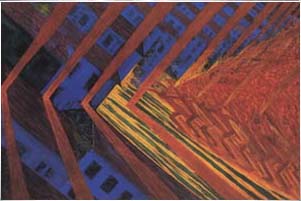

Ik
componeerde toen mijn werk ‘Wintermusic 2022’, waarin ik hiervan iets probeerde
uit te drukken.
Daarna begonnen ook de boerenprotesten tegen het stikstof- en doorgeschoten
absurde natuur-terreur-beleid weer op te leven.
In
de kersttijd van 2022-23 was ik lange tijd ziek en daarna in een depressieve,
desolate toestand, ik componeerde toen ‘Winter-elegie 2023’, in C klein, de
midwinter-steenbok-mineur-toonsoort.

Nu is de
winter en de Steenbok-periode altijd al een duistere, kille, saaie en
depressieve periode, maar de veranderingen ten goede gingen volgens velen toch
wel erg langzaam, en allerlei andere kwalijke ontwikkelingen zoals de oorlog in
de Oekraiene (en het gevaar van een derde wereldoorlog….) zetten zich ook voort,
zodat vele mensen er moedeloos van werden.
Een jaar later, in de winter van 2023-24 bereikte ik als componist mijn 200e
opusnummmer zodat ik nu in het derde honderttal van opus-nummers was aangekomen.
Met opus 201 brak er dus een nieuw tijdperk aan, een ‘era nova’ van de
200-opusnummers.
Tegelijkertijd brak er een nieuw jaar aan: 2024, een ‘era nova’, bovendien begon het jaar waarin het zonnevlekken-maximum haar hoogtepunt zou bereiken, en wellicht ook de rebellie tegen de tirannie, en ook zou Pluto naar Waterman gaan, wat volgens de astrologen voor een nieuw idealistisch tijdperk zou gaan zorgen.
Alhoewel in
januari de winter aanbreekt en de natuur dood is, begint vanaf dat moment echter
wel de zon weer onze kant uit te bewegen, de dagen worden langer, de natuur
begint zich in het geheim vanuit de diepte en vanuit de stilte voor te bereiden
op de lente, en de toonsoort Es groot, volgens Herman Beckh de
Steenbok-toonsoort, staat ook vaak voor een nieuw begin, een ‘era nova’, - zie
bv. het begin van ‘Rheingold’ van Wagner, waar het 5 minuten durende Es groot
akkoord voor het begin van de schepping staat, het ontstaan van de wereld vanuit
het oerniets, vanuit de stilte.
En Es groot staat ook voor de heldhaftige toonsoort van Beethovens heroïsche 3e Eroica-symfonie, of bv. ‘Ein Heldenleben’ van Richard Strauss, of de grootsheid van de 2e en 8e symfonie van Mahler, de 5e symfonieën van Sibelius en Nielsen, en bv. Sibelius’ onstuimige en heroïsche ‘Lemminkainens Return’, ‘de terugkeer van de held’…
In
januari 2024, tijdens een eurithmie voorstelling in het Haagse Vreedehuis, kreeg
ik plotseling de ingeving om ter ere van het nieuwe jaar, het ‘era nova’, mijn
opus 201, het derde honderdtal, en hopelijk het nieuwe tijdperk, het ‘era nova’,
wat door het zonnevlekken maximum en de gang van Pluto naar waterman, aan zou
breken, een heroïsch werk in Es groot te gaan componeren, de toonsoort van het
nieuwe jaar, een heroïsche overwinningsmars, om de hopelijk komende overwinning
van het licht op de duisternis te vieren, in de strijd tegen het kwaad, wat
momenteel plaatsvindt.
Ook
het heroïsche thema hoorde ik tijdens die voorstelling al duidelijk in mijn
hoofd…
Marc van Delft
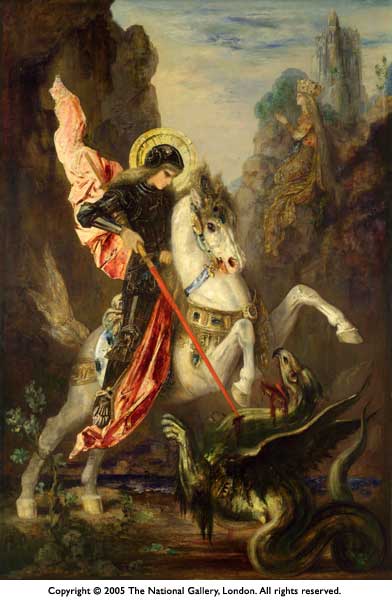

========================================
Explanations - history
In 2020, the world suddenly turned into one big concentration camp.
The most absurd, oppressive, inhuman and destructive measures were suddenly imposed worldwide, whereby any normal human behavior was suddenly seen as criminal and dangerous.
It was one big attack on humanity, on freedom, on justice, on health, on culture, on youth, on art, on musical life, on free thinking, on human dignity, on the middle class, on prosperity and the economy, on the catering industry, on the church, on the universities, on the schools, on the theaters, on the future of humanity, in short, in my opinion this was the greatest crime of all time, because it took place worldwide.
For years, humanity has suffered under this evil tyranny, which a large part of humanity also seemed to slavishly accept.
All people with even a little common sense and insight into the phenomenon of illness and health, into how human psychology and how society and the economy function, saw that this greatest attack of evil of all time was a very worrying and even was a fatal development.
Many people became despondent because this global terror policy was so disastrous for the economy and our future that it could only result in a wave of poverty, economic collapse, excess mortality, depression and suicides and death and destruction, and it did continued for years - it seemed to have no end...
In 2021, there was also the mass murder due to the corona injections, a
medical 'Mengele experiment' that was tested on all humanity by the criminal pharmaceutical mafia, and given the fact that it did not help against the 'corona disease' but it caused a huge number of fatal side effects and there has been enormous 'unexplained' excess mortality since 2021, a failed experiment.
Every right-thinking person with common sense feared for their lives in the fear that this mass euthanasia would be made mandatory, which actually happened in many places.
My family was law-abiding and dutifully got the shots, with the result that brother David died a short time later from turbo cancer, and my brother Frank got prostate cancer, resulting in a painful and humiliating operation and then he started to become demented and was diagnosed with Alzheimer's disease.
However, about 2 years after the start of the corona terror, governments started to relax the measures, so that normal life gradually seemed to be able to get back to normal.
Of course, awake and critical people had protested against this insane policy from the start, and many saw with suspicion all kinds of other evil and absurd, destructive developments and measures looming, such as climate madness, with the fatally worthless and destructive windmills, which is a gigantic destruction of capital and provides no energy at all, than the farm-destroying nitrogen madness, the woke madness, the gender madness, the WHO terror, the EU terror, inflation, mass migration, increasing poverty, and the housing shortage, etc.
I myself explain the total madness that humanity ended up in
in 2020, including from the star position.
In January 2020 there was a long conjunction of the planets
Saturn and Pluto in Capricorn.
Saturn is the ruler of Capricorn and has been known since ancient times as the fate planet and the 'Infortuna major', 'the great misfortune'. This gloomy planet now also encountered the fatal planet Pluto in its own zodiac sign Capricorn, which stands for total destruction, the atomic bomb, death and ruin...
When I heard about it, I said in January 2020 that a long time of
misfortune awaited us, and 2 months later, under the pretext of a non-existent 'virus', 5 billion people were locked up and the world turned into one big concentration camp.
However, my hopes were pinned on the upcoming sunspot maximum as all historical major revolutions and uprisings have coincided with sunspot maximums, which produce major solar storms and can cause major unrest on Earth.
Moreover, the fatal conjunction had long since passed and Saturn and Pluto entered the sign of Aquarius, which also stands for revolt and rebellion and also for humane idealism.
However, in 2020 there was a sunspot minimum which ensures the opposite: Humanity is obedient, compliant, calm and disciplined, which may explain why humanity so willingly went along with this absurd and irrational terror.
With the arrival of the sunspot maximum and the other planetary positions, I hoped for better times, for a new time, an 'Era Nova',
for resistance against all the insanity that plagued humanity, and for normalization of life.
And indeed, in February 2022, Canadian truck drivers rebelled against Trudeau's insane tyranny-corona-vaccination-mass murder policy, in the rebellious Aquarius period of February….
I then composed my work 'Wintermusic 2022', in which I tried to express something of this.
Afterwards, the farmers' protests against the nitrogen and absurd nature-terror policy started to revive again.
During the Christmas season of 2022-23 I was ill for a long time and then in a depressed, desolate state, I then composed 'Winter Elegy 2023', in C minor, the midwinter Capricorn minor key.
Now, winter and the Capricorn period have always been a dark, cold, boring and depressive period, but according to many, the changes for the better were very slow, and all kinds of other bad developments such as the war in the Ukraine (and the danger of a third world war….) also continued, so that many people became despondent.
A year later, in the winter of 2023-24, I reached my 200th opus number as a composer, so that I had now reached the third hundred of opus numbers.
With opus 201 a new era began, an 'era nova' of the 200 opus numbers.
At the same time a new year began: 2024, an 'era nova', in addition, the year in which the sunspot maximum would reach its peak, and perhaps also the rebellion against tyranny, - and Pluto would also move into Aquarius, which according to the astrologers would bring about a new idealistic era.
Although winter arrives in January and nature is dead, from that moment on the sun begins to move in our direction again, the days become longer, nature begins to secretly prepare itself from the depths and from the silence for the coming of spring, and the key of E flat major, the Capricorn key according to Herman Beckh, also often represents a new beginning, an 'era nova' - see, for example, the beginning of 'Rheingold' by Wagner, where the 5-minute long E flat tone scale / chord represents the beginning of creation, the origin of the world from primordial nothingness, from silence.
And E flat major also stands for the heroic key of Beethoven's heroic 3rd Eroica Symphony, or for example 'Ein Heldenleben' by Richard Strauss, or the grandeur of Mahler's 2nd and 8th symphonies, the 5th symphonies by Sibelius and Nielsen, and for example the impetuous and heroic 'Lemminkainens Return', 'the return of the hero' by Sibelius….
In January 2024, during an eurithmy performance in the Vreedehuis in The Hague, I suddenly got the inspiration to celebrate the new year, the 'era nova', my opus 201, the third hundred, and hopefully the new era, the 'era nova', which would come due to the sunspot maximum and the passage of Pluto to Aquarius, to compose a heroic work in E flat major, the key of the new year, a heroic victory march, to celebrate the hopefully coming victory of light over darkness, in the battle against evil, which is currently taking place.
I also
heard the heroic theme clearly in my head during that performance...
Marc van Delft

==================================================================================================
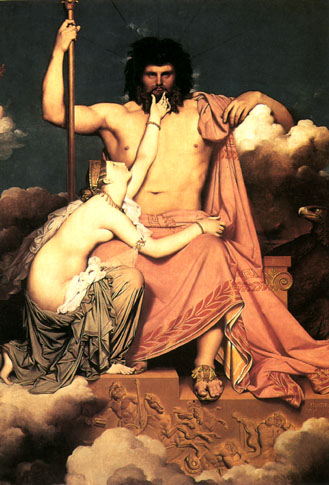


Het Jupiter-Zachariel-tijdperk
De
componist hoopt op een nieuw tijdperk, een ‘era nova’. en wil met deze muziek
een positieve bijdrage leveren aan de geestelijke atmosfeer van de aarde, want
hoopvolle, positieve gedachten en gevoelens en hoopvolle muziek trekken ook
goede krachten en energieën aan.
De E is bovendien de Jupiter-toon, Jupiter is de brenger van ‘het grote geluk’,
de ‘Fortuna Major’, daarom zijn E- en Es groot a.h.w. ‘gelukstoonsoorten’, en
aangezien wij sinds 1989 volgens Emil Pales in een Jupiter-Zachariel-tijdperk
leven hoopt de componist met deze muziek de positieve geluks-krachten van de
Jupiter-tijdgeest te kunnen bekrachtigen.
________________________________________
Marc van Delft
11 april 2024
============================================================

The Age of Jupiter-Zachariel
The
composer hopes for a new era, an 'era nova', and wants to make a positive
contribution to the spiritual atmosphere of the earth with this music, because
hopeful, positive thoughts and feelings and hopeful music also attract good
forces and energies.
The E is also the Jupiter tone, Jupiter is the bringer of 'great luck', the
'Fortuna Major', which is why E- and E flat major, are 'lucky keys', and since
we have been in a Jupiter era since 1989, according to Emil Pales, the composer
hopes to reinforce the positive lucky forces of the Jupiter spirit of this era
with this music.
___________________________________________________
Marc van Delft